Discover wireless security cameras that connect to your phone without WiFi. Compare cellular, local storage, and wired options - no internet required. Shop at VisionPlus Australia.
Is There a Wireless Security Camera That Connects to a Phone Without Wi-Fi?
Yes - and I've tested enough of them to say with confidence that a wireless security camera that delivers solid video monitoring without a WiFi connection is not just possible, it's genuinely practical. Whether you're dealing with a dead spot on your property, a remote shed, or simply don't want to tie your security solution to a reliable internet connection, there are real options built for exactly that specific situation. Some use a cellular-enabled camera running on a mobile network, while others lean on local storage - think a microSD card or a local recorder - for video playback and even computer playback offline. The gap between a WiFi counterpart and an internet-free security camera has closed a lot in recent years.
What's changed is how capable modern security cameras have become at local recording and even live video streaming over cellular without touching your home network. I've run camera testing across several setups - from budget outdoor security camera units to hybrid devices with hybrid features - and the results for home security, remote monitoring, and wireless surveillance are better than most people expect. A good surveillance camera today can act as a network-independent camera and still push video streaming to your phone, store footage on a video recorder, and give you full phone monitoring with remote access - all without an internet connection. The key is understanding your connectivity options before you buy, because security technology has split into genuinely different paths depending on how you need your monitoring system to work. This camera comparison guide walks through all of them so you can land on the right fit for your property protection needs.

How Wireless Security Cameras Work Without Wi-Fi
At The Spy Store, we stock quality surveillance equipment across Australia - from compact spy camera units designed for nanny monitoring and childcare monitoring to full home surveillance rigs built for elderly parent monitoring and loved ones protection. Think of these devices as your digital eyes and ears when you can't be there in person. What makes them tick without Wi-Fi comes down to two core methods: they either transmit over a cellular security camera connection using the mobile network, or they keep everything local with onboard camera storage. Our team offers installation support, lifetime customer support, and expert assistance on device setup and gadget setup - whether you're buying from our physical store or browsing online surveillance equipment at competitive prices. We carry Wifi Security Camera Outdoor setups alongside fully offline surveillance devices, with informative resources and a buying guide to help at every step.
The technology behind remote observation without Wi-Fi is more straightforward than it sounds. A cellular security camera slots in a SIM and connects to a mobile tower - same as your phone does - making it a true wireless monitoring system with no router required. Meanwhile, cameras with a built-in video recorder just write footage to a card or drive inside the unit itself, which you access later via home monitoring apps or by pulling the card. Our dedicated professionals offer technical support, device configuration, and product selection assistance with quick turnaround times - and our one-year warranty backs every purchase for full customer satisfaction. From spy gadgets to professional surveillance systems, we make cost-effective security solutions accessible across all of Australia. We also share surveillance videos and updates on latest spy devices to keep you informed on what's actually worth buying in the current market.
Cellular Signal-Ready Security Cameras
A cellular signal-ready security camera - the kind built to function as a true wireless security camera that connects to phone without wifi - works by running on a cellular network the same way a smartphone does. You insert a SIM card, sign up for a monthly data plan, and the camera becomes a fully independent mobile network camera capable of live streaming, real-time alerts, and remote live view without ever touching your home router. Cameras like the Arlo Go 2 are popular picks and are available on Amazon - they support both cloud storage and a microSD card for local storage, which means you're not locked into a cloud storage plan if you'd rather avoid recurring costs. The onboard storage option alone can deliver significant annual savings compared to subscription-heavy alternatives, especially for long-term cloud-based surveillance.
Where these cameras shine is remote monitoring in locations where running cable or relying on a fixed broadband line just isn't realistic. I've used a 4G security camera at a property with no fixed internet, and the HD streaming held up well even on modest mobile data usage. The trade-off is real though - continuous streaming eats through your data allowance fast, so dialing in your motion detection zones, sensitivity settings, and recording schedule is essential to keep bandwidth consumption and usage costs under control. Smart tools like away mode recording and smart detection that filters out false alarms make a genuine difference here. With proper camera configuration, an LTE security camera running on a SIM card camera setup becomes a dependable video security solution for both home security camera needs and serious outdoor security camera deployments - all delivered as instant push notifications and camera notifications straight to your phone.
Security Cameras With Local Video Storage
If you're dealing with subscription fatigue, a security camera with local video storage is the most straightforward answer. These cameras record directly to a DVR (digital video recorder) or NVR (network video recorder) - no cloud, no monthly fee, no ongoing data charges. For business surveillance and 24/7 surveillance environments where non-stop recording is the requirement, this approach keeps network bandwidth usage to a minimum and removes the risk of corrupted files from unstable upload connections. Systems like those from Lorex and Swann offer anywhere from 1TB storage up to 32TB storage with expandable storage via additional hard drives, making months of footage retention practical even at 1080p resolution or 4K resolution. A basic microSD card setup is the budget-friendly storage entry point, while a Lorex NVR or similar entry-level NVR handles a full multi-camera surveillance setup.
The practical side of local surveillance solutions deserves attention. If your DVR or recorder gets stolen - which does happen - your footage goes with it unless you've done a footage backup to an external hard drive. I recommend a weekly backup of critical footage to a separate external drive stored off-site or in a locked cabinet inside a ventilated cabinet to avoid overheating. A CCTV (closed-circuit television) setup built around analog camera tech and coaxial cable transmission is often a lower cost security camera path - a solid four-camera system running HD-over-coax camera tech delivers reliable, uncompressed video at lower complexity. For more advanced deployments, an IP camera on an analog system upgrade unlocks features like facial recognition, license plate reading, and automatic number plate recognition (ANPR). A hybrid security camera setup that blends local recording with a cellular security system for remote feed access, push notifications, and smart alerts gives you the best of both worlds - a true cloud-free security camera that still supports remote monitoring and live video feed access when you need it.

Types of Security Cameras without WiFi?
When people ask about security cameras without WiFi, they usually picture one thing - but there are actually several distinct types worth knowing. First is the 4G LTE cellular camera: a SIM card camera with a built-in SIM card slot that runs on cellular data through a mobile network. It handles live viewing, cloud storage, and security alerts independently of any home network, making it ideal for off-grid surveillance and mobile surveillance needs. Second is the local storage camera, which records to a microSD card, DVR, or NVR with no internet connection required - local footage access only, unless paired with cellular. Third is the wired CCTV system, where IP camera units connect via Ethernet cable to a central recorder or NVR system, with footage written to hard drive storage on a wireless network independent camera architecture. The digital video signal stays on a closed network - clean, private, and dependable. Fourth is PoE Security Cameras (Power over Ethernet), which pull both power and data through one cable to a central recorder - no separate power run needed, and no Wi-Fi involved.
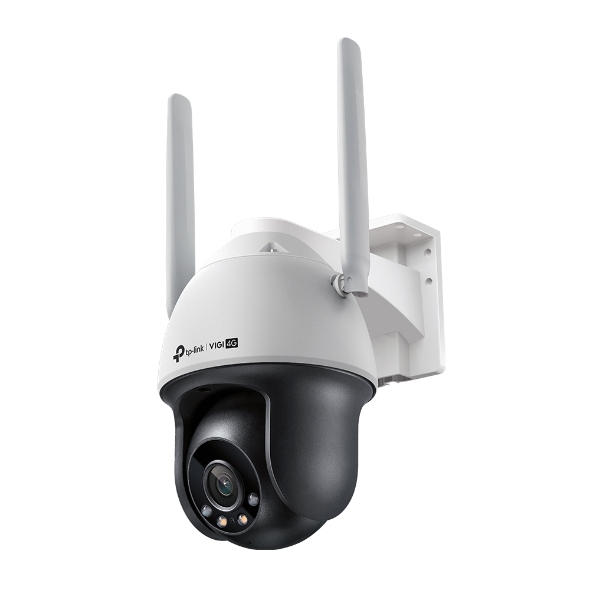
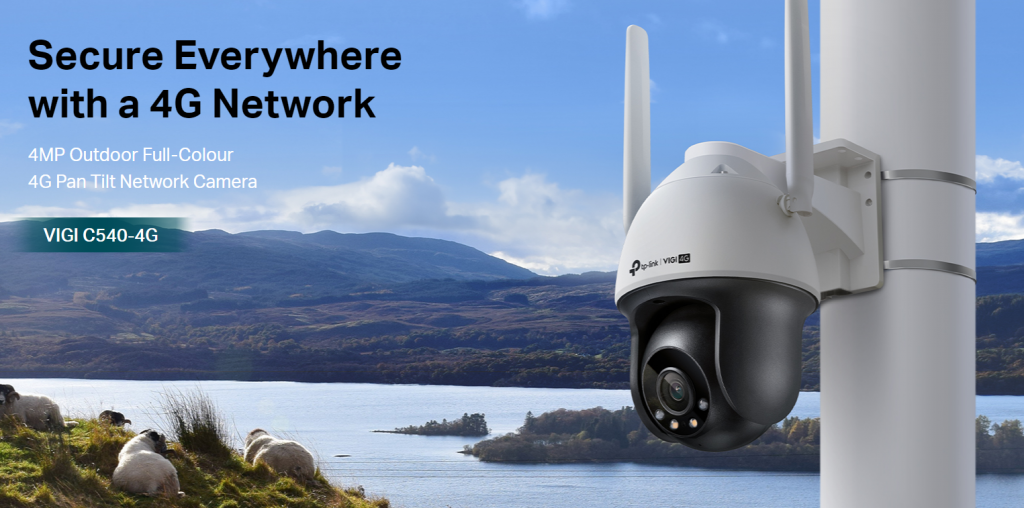
Within those categories, several brand series are worth calling out by name. The Hikvision Series is widely regarded as one of the most reliable surveillance infrastructure options available, with deep feature sets for both residential and commercial installs. The Dahua series sits right alongside it for enterprise-grade local surveillance solutions with strong motion detection and continuous recording options. For more accessible pricing without sacrificing core performance, the Hilook Series (Hikvision's consumer-facing line) and the VIGI Series (TP-Link's camera range) both offer solid security monitoring capability with clean apps and good footage transmission. Rounding things out, Other 4G LTE Security Cameras from various manufacturers fill the gaps - particularly for monitor connection setups and standalone wireless camera without WiFi deployments where none of the above fit the exact install.
Are Security Cameras Without Wi-Fi Harder To Install?
Honestly, it depends entirely on the type. A cellular security camera like the Reolink Go or Arlo Go 2 is about as close to plug-and-play camera as you get - insert a SIM, mount it, and you're done. The camera installation for a SIM-enabled camera running on a mobile network requires no Ethernet connection, no cable routing, and no WiFi infrastructure. Camera activation happens through the app, and most people get through the full camera deployment inside 30 minutes. For DIY installation, this is genuinely the easiest path - especially for a mountable security camera going up on an exterior wall or eave. Quick setup is a real selling point of cellular-enabled camera systems, and the lack of internet access not required removes one of the most common friction points in traditional security camera setup.
Wired systems are a different story. A cable-based surveillance system - whether running coaxial cable for an analog setup or Ethernet cable for PoE IP cameras - takes more planning and physical work. Hidden camera wiring through walls, ceiling cavities, or conduit is the cleanest look but adds real installation time. An eight-camera system with a Lorex recorder across a two-storey house, for example, can take a full day once you account for cable routing, wall installation, and surveillance system installation of the recorder itself. For a commercial surveillance installation, a multi-camera setup of this kind is worth the labour cost if you want rock-solid uptime. The payoff is a network-independent camera infrastructure that doesn't drop out when a router reboots, making it the preferred choice for serious security camera infrastructure and long-term property protection setups.
Wi-Fi vs. No-Wi-Fi Cameras
This is where a proper security camera comparison gets interesting. Wi-Fi camera setups offer a genuinely impressive feature set - mobile app monitoring, real-time monitoring, two-way audio, optical zoom, arming and disarming via app, AI-powered surveillance with delivery person detection, pet detection, and even facial recognition. The smart notifications and push notifications are well-tuned, and live video feed access from anywhere is seamless. But all of that comes with a dependency: a stable Wi-Fi network. When your internet provider has an outage, or your router gets rebooted at the wrong time, or network congestion spikes because too many internet-connected devices are competing for bandwidth - the camera goes offline. Ring cameras and similar internet-connected camera systems are also soft targets for hacking if your home network isn't locked down with a strong secure password and proper encryption protocols. A 4K security camera streaming continuously also chews through your bandwidth and can cause internet slowdown across the whole household.
A no-Wi-Fi camera sidesteps those weak points entirely. The cellular connection is hardware-level and doesn't depend on your home network - if the mobile tower is up, the camera works. A DVR-based system or 16-channel NVR with dedicated storage space on a unit roughly desktop PC size stores footage locally and can run indefinitely without touching the internet. These systems meet proper ventilation requirements to prevent overheating and are often used as professional-grade CCTV in commercial builds. The real answer for most people is a hybrid security system - one that gives you cellular backup or Wi-Fi backup with automatic failover, so you get uninterrupted coverage regardless of which connection drops. That kind of network redundancy is where surveillance security and physical access to recorder security combine to deliver genuine continuous coverage - and it's the setup I'd recommend for any property where downtime genuinely isn't acceptable.
Common Uses Cases of Security Cameras that Work without WiFi?
The home security camera without WiFi market has expanded well beyond just people with network limitations or privacy concerns. I've seen these systems go in everywhere from suburban homes with dead Wi-Fi zones to working farms, barns, and orchards in regional Australia where internet connectivity is unreliable at best. For remote properties and rural areas, a 4G LTE camera is often the only realistic option for livestock monitoring, equipment monitoring, and perimeter security. A battery-powered camera with onboard storage handles flexible surveillance across paddocks without any WiFi infrastructure needed. Meanwhile, a PoE camera or DVR system running on a Power over Ethernet backbone handles the wired surveillance side of things with consistent, reliable surveillance inside structures.
Construction sites are another strong use case - temporary worksites need portable surveillance for theft prevention and vandalism prevention, and a 4G security camera on a pole or fence line handles that cleanly with no infrastructure required. For RVs, boats, and mobile setups, a waterproof RV security camera or marine gear protection unit running on cellular covers a truly nomadic lifestyle - I've personally used one on a docked vessel for overnight campground security and real-time monitoring via phone. On the commercial side, storage yards, parking lots, and agricultural processing areas benefit from an independent surveillance camera setup with reliable recording and solid event capture. Commercial Outdoor Areas running outdoor facilities need business security that works 24/7 regardless of network status - and that's exactly what a well-configured no-Wi-Fi system delivers for property protection.

Can wireless cameras work without Wi-Fi?
Yes - a wireless camera and a Wi-Fi camera are not the same thing, even though the terms get used interchangeably all the time. A wireless security camera that connects to phone without wifi can operate as a fully standalone unit using cellular data through a SIM card camera setup, or it can record locally to a video surveillance camera without needing any network at all. Models like the Arlo Go and Reolink Go are built specifically for this - they run on a cellular data plan or mobile data plan and connect directly to your phone as a smartphone-connected camera without routing through a home network. These are genuine internet-free security camera options that still deliver live monitoring, remote viewing, and remote access camera functionality you'd expect from a connected device.
What these cameras can't do without internet - unless configured for local video storage - is retain footage long-term without a subscription. But as a data-powered camera running on cellular, you still get full phone access camera features: alerts, live feed, and wireless video monitoring from anywhere you have mobile signal. That makes them a credible alternative to WiFi for off-grid properties, mobile surveillance setups, and anyone who's simply done with router dependency. The wireless monitoring system they form is genuinely self-sufficient - and for most home security camera and outdoor security camera scenarios, they cover all the bases a traditional connected security camera would, just over a different network path.
Do all home security cameras require Wi-Fi?
No - and this is one of the biggest misconceptions I run into. A large share of the home security camera market operates completely independently of Wi-Fi. A WiFi-free security camera running as an LTE camera on a cellular plan - like the Arlo Go or Reolink Go - needs only a cellular data plan to work as a fully phone-connected security camera. On the wired side, a local storage camera writing footage to a storage device or hard drives inside a recorder operates as a completely offline security camera with no network dependency whatsoever. The footage stays on the onboard storage or hard drive storage, and you access it locally or through a local recording camera app over your own private network.
The surveillance storage capacity on modern systems has made local video storage a serious long-term option - not just a stopgap. An internet-independent camera backed by a multi-terabyte recorder can hold weeks of recorded footage at high resolution without ever sending a byte to the cloud. For people with genuine privacy concerns or unreliable connectivity, a non-internet camera on a network-independent camera architecture is the cleanest answer. The monitoring solution it creates is fully self-contained - and with the right setup, you still get remote monitoring camera features via cellular or local network, keeping your wireless security solution both capable and completely WiFi-free.
What is better, wired or wireless security cameras?
This comes down to what you're actually trying to protect and how you want to install it. A wired security camera connected to your electrical system connection or running as a hardwired camera delivers a dependable connection with a reliable signal that doesn't fluctuate based on radio interference or router load. You're not managing rechargeable battery camera cycles or worrying about signal drops mid-recording. The trade-off is difficult installation - running cable through walls, planning camera positioning around where you can realistically route a line, and committing to fixed camera placement. For a permanent home setup where you want long-term home monitoring with zero gaps, a wired surveillance system is the stronger foundation.
A wireless security camera wins on installation flexibility and speed. A battery-powered camera goes anywhere - no cable run, no electrical work, no fuss with camera setup. You can move it, reposition it, and adjust surveillance coverage without tools. The wireless connection handles both power and data, which simplifies the whole install. The cost is maintaining battery health and, depending on the camera, managing a cellular security camera data plan if it's a true no-WiFi camera. For most people covering a standard residential property, a combination of both - wired at fixed points, wireless for flexible coverage - gives the best overall property monitoring result without locking you into either approach entirely.
Can you set up cameras without the internet?
Absolutely. A security camera without internet that uses a microSD card or micro-SD card inside the unit is the simplest version of an offline security camera - power it on, insert the card, and it starts recording. No app required, no account, no cloud. Footage sits on the card and you review it by removing the card and plugging it into a reader, or via a local app on the same network. A standalone security camera like this is genuinely local-only camera in every sense - it doesn't try to phone home, doesn't need an account, and doesn't care about your router.
Step up from there and you're looking at a hard drive storage solution - a DVR or NVR that stores local recording from multiple cameras simultaneously with proper storage device management and a dedicated playback interface. The video recording capacity is far beyond what a card allows, and you get real surveillance system management features: playback timelines, motion-flagged clips, and multi-channel views. A non-internet camera system built this way is particularly well suited to people who want complete data sovereignty - everything lives on your hardware, under your control, with no third party involved in your local video storage or security monitoring.
Is there a Camera without Electricity or Wi-Fi?
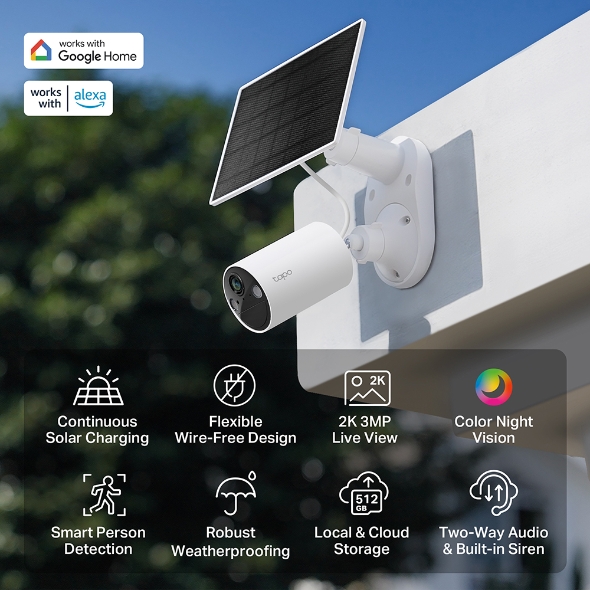
Yes - the Reolink Go series is the clearest example of a 4G battery camera that covers both bases. It's a battery-powered security camera that runs on a rechargeable battery and connects through a 4G LTE camera cellular link - meaning no power cable and no Wi-Fi required. For genuinely remote locations, pairing it with a solar panel camera mount turns it into a solar-powered security camera with a continuous power supply that doesn't need a human to swap batteries every few weeks. The result is a fully off-grid security camera solution with video transmission, security alerts, and smartphone monitoring all handled over the cellular network camera link.
I've deployed one of these on a rural gate with no power within 200 metres - it's been running on solar for months without intervention. The wireless surveillance camera side of things is exactly what you'd expect: motion-triggered remote surveillance, push alerts to the phone, and clip review through the app. As a no power security camera option that still delivers phone-connected camera functionality, the Reolink Go series is hard to beat. It's the definition of an internet-free security camera that doesn't compromise on the cellular security camera features that make remote monitoring worth having in the first place.
How does a Hikvision Camera Work without Wi-Fi?
Hikvision cameras are built for flexibility - but when people ask specifically about security cameras without WiFi, the answer depends on the model variant. Standard Reolink WiFi camera units (and Hikvision equivalents) need an internet connection for full cloud functionality, and without it you'll hit limited functionality - local recording works, but phone connectivity and smartphone monitoring via the app are reduced or unavailable depending on the setup. The better path for a true no-WiFi camera from Hikvision is to pair their IP camera units with a local NVR, where the recorder handles offline functionality and you access it via your private local network.
For a true wireless security camera that connects to phone without wifi in the Hikvision ecosystem, their 4G cellular camera models - running on a 4G cellular network - handle video transmission and remote monitoring camera features over mobile data, completely independent of any home network. These function as proper cellular network camera units with the full Hikvision feature set, and they connect directly to your phone through the Hik-Connect app for mobile surveillance without any router dependency. It's the same quality you'd expect from their standard line, just routed through cellular rather than your home broadband.
Can Security Cameras Function Normally Without Wi-Fi?
For the most part, yes - with one caveat: "normally" means different things depending on the camera type. A cellular security camera running on a cellular data plan delivers live surveillance, real-time alerts, live video streaming, and remote alerts exactly as you'd expect from any connected camera - because it is connected, just over cellular rather than Wi-Fi. A no-WiFi camera on a local storage option like an NVR (network video recorder) handles continuous recording, video storage, and recorded footage management just fine - but remote features are limited to whatever the local network can provide.
Where things get nuanced is with features that are genuinely cloud-dependent - some smart security camera AI processing, certain push notification systems, and cross-device sync features may degrade or disappear without an internet-free security camera workaround in place. That said, the core jobs - local recording, surveillance camera coverage, motion-triggered recording device activation - all work without issue. A smartphone-connected security camera using cellular handles the gap cleanly by maintaining its own cellular connectivity for wireless surveillance system features. The ongoing cost of a data plan is real, but for a fully functional surveillance solution with no reliance on home Wi-Fi, it's a reasonable trade-off - especially when home security camera uptime is non-negotiable.
Recap
After putting a range of tested security cameras through their paces, the takeaway is clear: the wireless security camera that connects to phone without wifi category has matured into something genuinely reliable. Whether you go with a cellular-ready security camera, a local storage camera, or a Wi-Fi-free security camera on a wired NVR, you're not making a significant compromise on camera performance. The alerting features, streaming features, and live streaming quality of today's cellular security camera options rival internet-connected security camera counterparts in most real-world conditions. Installation cost and setup cost vary by type - cellular is easy, wired is more involved - but both deliver rock-solid reliability once they're in place. Operating cost and recurring costs are the main variable, particularly for data-plan-dependent setups.
For home security and business security both, the right system comes down to your specific install, your coverage needs, and how much ongoing management you want to do. A Lorex security camera on a wired NVR is a professional-grade security camera with professional-grade features for those who want a set-and-forget surveillance reliability setup. A cellular-enabled camera suits mobile or remote scenarios perfectly. Either way, crime deterrence, crime prevention, incident recording, and evidence recording are all handled - you get around-the-clock surveillance and 24/7 recording with solid surveillance coverage and real property protection. If you have reader questions or common concerns about which setup fits your property, our team at VisionPlus is here to help you navigate the options and land on a local surveillance solution that works.