Discover the best solar powered WiFi security cameras in Australia. Wire-free, worry-free outdoor surveillance with no electricity costs. Shop TC85 KIT, TC82 KIT & VIGI SP6020 at Vision Plus.
Solar Powered WiFi Security Camera Australia
Wire-Free & Worry-Free: Solar Powered Security Cameras
Having tested and recommended solar cameras across different property types throughout Australia, what consistently stands out is the sheer flexibility these wireless systems bring to outdoor surveillance - no electrician, no conduit, no compromising on placement just because a power outlet isn't nearby. The WiFi-connected, solar powered design means the cameras draw energy from the sun while streaming live video directly to your phone, and that combination of self-sufficiency and remote visibility is where the real convenience lives - your property stays monitored around the clock without demanding anything from you, which is precisely what worry-free home security should feel like.

Reliable Solar Panel Chargers & Security Camera Kits Australia
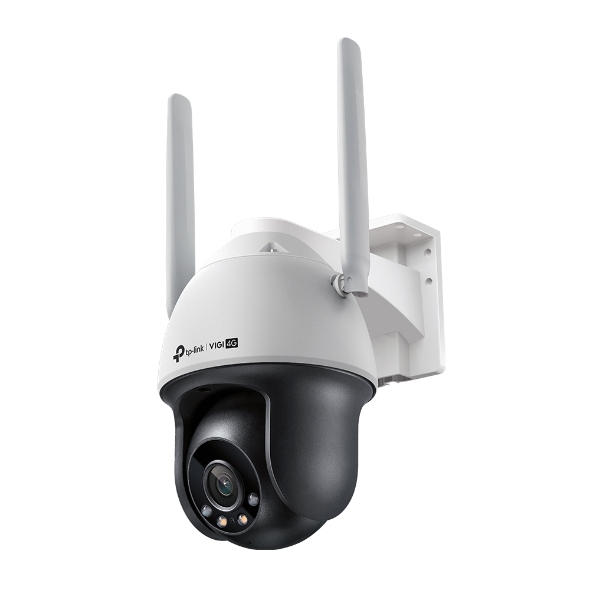
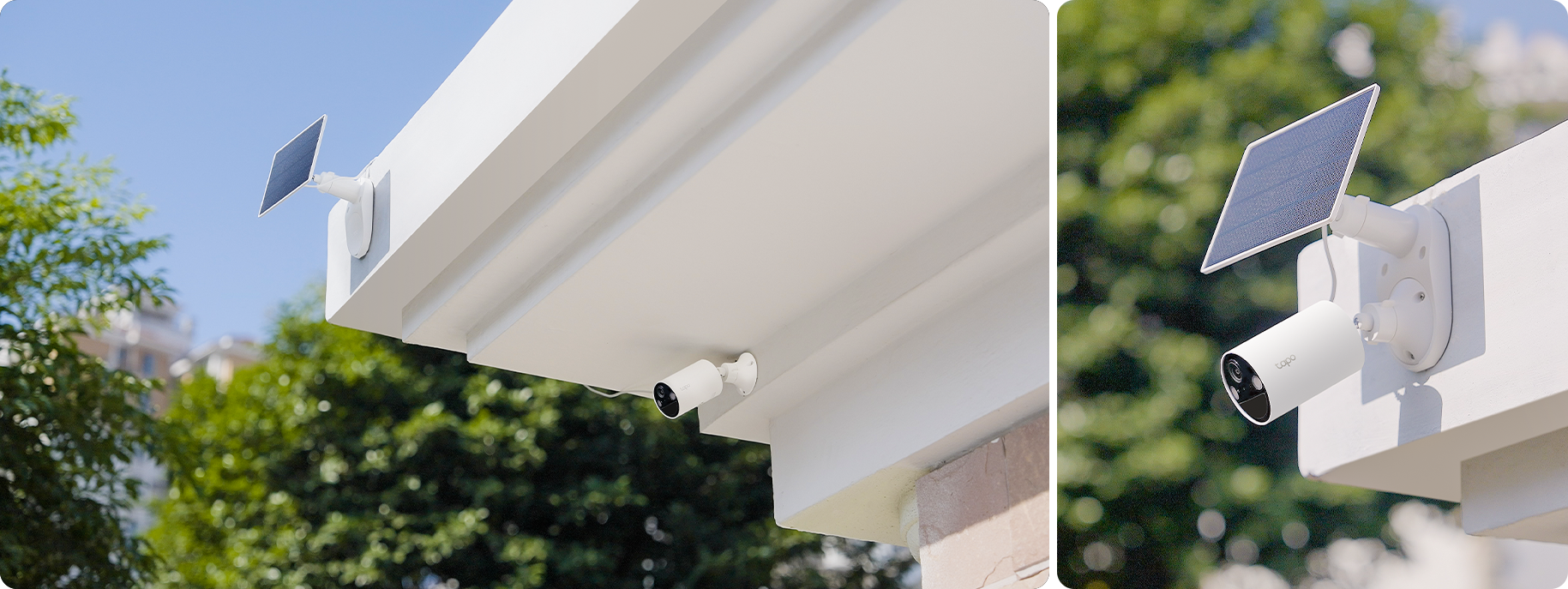
When I first started recommending solar powered setups to clients across Australia, the question was always the same - will it actually hold charge through the night and overcast days? The answer lies almost entirely in the quality of the solar panel charger and how well it pairs with the camera kits it feeds. The TC85 KIT - Solar-Powered Security Camera Kit and the VIGI SP6020 - VIGI Intelligent Solar Power Supply System are built around this exact concern, engineering weather-resistant and weatherproof housings that keep working through the kind of harsh sun, wind, and rain that Australian properties regularly throw at equipment. A quality wireless security solar system draws enough energy from wireless panels during daylight to maintain constant operation, meaning your video surveillance cameras stay live at all times without drawing a single watt from the grid or adding anything to your electricity bill - and that independence from electrical power infrastructure is genuinely liberating when you're protecting a large block or a rural property with no easy cable runs.
What makes the current generation of solar wifi security cameras in Australia worth serious consideration is the range of flexible options now available - from single-camera starter packs to full multi-zone surveillance kits covering every corner of a property. The adjustable mounting hardware bundled with most reliable camera kits today means installation adapts to your structure rather than the other way around, and the wireless design removes the cable constraints that used to force compromises on placement. Solid wifi connectivity paired with continuous solar charging delivers round-the-clock video coverage, and with genuinely weatherproof builds handling everything the outdoors sends their way, these systems deliver the kind of consistent, low-maintenance protection that makes you wonder why anyone still routes electrical power to an outdoor security camera at all. Browse the complete range of solar wifi security cameras in Australia at Vision Plus.
How to Get Started with Solar Powered Security Cameras
Getting started with a solar powered wifi security camera australia setup is more straightforward than most people expect, but the details matter - and I say that from having guided both homeowners and tradespeople through the process. The first step is understanding what your property actually needs: outdoor security coverage for a suburban backyard looks very different from construction site surveillance or wildlife observation on rural land, and the right device for each scenario varies accordingly. For anyone operating in off-grid locations, the appeal is obvious - built-in solar panels paired with internal batteries deliver round-the-clock monitoring without any connection to a traditional power source or the electricity grid, making these cameras genuinely practical where running cable is impossible. Checking Australian standards and national quality requirements before purchasing ensures your chosen security devices meet compliance benchmarks, and sourcing through authorized local suppliers or a trusted local business like CCTVTradie means you're also getting tech and hardware advice calibrated to Australian conditions rather than generic overseas guidance - something that quietly strengthens community ties and supports local economic growth.
The broader case for going solar-powered sits at the intersection of surveillance capability and environmental responsibility. These eco-friendly systems harness sunlight to power advanced video recording, real-time alerts, and remote monitoring through your internet connection, delivering continuous operation without the ongoing costs tied to grid electricity - making them genuinely cost-effective over time compared to standard wired alternatives. The sustainable nature of solar outdoor security also aligns with a wider shift in how Australians think about the economy of running their homes and work sites, and it's worth acknowledging that many of the properties where these cameras are being deployed sit on land that belongs to the Traditional Owners of this country - including the Wurundjeri People and their Elders - a reminder that responsible tracking and surveillance technology should always be deployed with respect for the place and people it operates within.
Solar Security Cameras
One thing that genuinely shifted my perspective on solar security cameras was deploying them across a mix of construction sites, farms, mining sites, and residential homes - environments where running power to a standalone outdoor security camera simply wasn't practical. What makes these systems so capable today is the combination of a quality solar panel feeding an internal battery that sustains multi-month operation, meaning the hardware keeps running through extended low-sun periods without intervention. Super HD resolution, night vision, and PTZ security cameras with human tracking bring a level of artificial intelligence-driven surveillance that used to require professional installation and significant infrastructure - now it's achievable as a clean DIY installation on sheds, shipping containers, machinery enclosures, or any building where wireless deployment makes more sense than trenching cable. Live view, motion detection, and automated audio alerts all feed directly to your smartphone, and with remote access running over Wi-Fi or 4G where fixed internet isn't available, you maintain full visibility regardless of how remote the site is. Explore solar-powered security camera kits at Vision Plus for residential and commercial deployments.
The storage and communication side of modern solar powered wifi security camera australia setups has matured just as impressively as the power and optics. Recording runs continuously or on trigger, and the best systems offer no hidden fees attached to cloud storage tiers - something that matters enormously for a business managing cameras across multiple outdoor locations. Two way conversations through the camera add a practical layer beyond pure surveillance, useful on farms for communicating with workers or at homes for speaking with visitors without opening an app separately. Hidden Camera Surveillance capability in certain models allows discreet monitoring of machinery or asset-heavy areas on mining sites and construction sites where visible deterrence alone isn't enough, and the entirely wireless, standalone nature of these systems means building out a comprehensive surveillance network across sprawling properties - something that would have demanded serious infrastructure investment just a few years ago - is now a straightforward, scalable process.

Best Solar-Powered Home Security Cameras for 2026
After extensive testing across a range of brands and hardware, the solar-powered camera systems that consistently deliver excellent results in 2026 are the ones that have genuinely solved the battery woes that made earlier generations frustrating to own. The old problem was predictable - battery-powered wireless cameras with small solar panels that couldn't keep pace with demand during winter months or extended cloudy stretches, leaving you with a dead device at precisely the wrong moment. The better manufacturers have addressed this directly by pairing larger, more efficient solar panels with higher-capacity batteries that carry the camera through low-sunlight periods without failure, and high-mounted cams with unobstructed southern exposure in Australian conditions tend to perform strongest across both winter and warmer months. What separates my personal favorites from the rest of the field is how cleanly the setup experience runs - good wifi connectivity, reliable internet integration, and automated motion detection that activates surveillance without draining reserves through constant recharging cycles.
For anyone still treating solar power as merely an alternative solution to wired outdoor security, the current generation of tech makes a compelling case for it becoming the new standard. The features built into leading solar-powered wireless cameras today - persistent cloud recording, intelligent motion detection, remote surveillance access - match or exceed what wired camera systems offer, without the installation complexity. Battery-powered models with supplementary solar panels serve as a practical alternative for locations where panel mounting isn't ideal, ensuring home protection doesn't get compromised by site constraints. Having personally recommended these devices to clients across varying Australian climates, the consistent feedback is that the anxiety around battery life and recharging that defined earlier solar cameras has largely disappeared - what remains is a genuinely low-maintenance outdoor security solution that quietly does its job through every season.
How Do Solar Powered Security Cameras Work at Night?
The most common question I get when recommending a solar powered security camera in Australia is straightforward: what happens after dark? The answer sits entirely in the energy storage system - during daylight, the solar charger converts direct sunlight into electrical power that fills rechargeable batteries, and it's that stored charge which keeps the device running through the night and even through a rainy day when the panels aren't actively generating. High quality rechargeable batteries with sufficient capacity are genuinely the most important piece of hardware in the entire system, because the solar powered wifi security camera australia setup is only as reliable as what it can store, not just what it can harvest. From personal tech evaluations across varying Australian climates, cameras positioned in a consistently sunny environment with good panel exposure tend to build enough stored charge during daylight hours to sustain continuous operation well into the following day - a buffer that carries them comfortably through overnight surveillance without interruption.
The standalone nature of solar video surveillance cameras means there's no dependency on grid power at any point in this cycle, and that self-contained operation is what makes them so practical for wifi-connected protection across properties of all sizes. What separates a capable solar powered security camera from a mediocre one is the balance between panel efficiency, battery capacity, and how intelligently the cameras manage power consumption - better quality systems throttle energy use during low-activity periods while remaining ready to record high quality video the moment surveillance is triggered. Having tested this hardware through Australian winters where direct sunlight is limited for stretches at a time, the devices that handle overnight operation best are those where the manufacturer has treated energy storage as central to the design rather than an afterthought - and that distinction becomes very clear, very quickly, the first night you actually need your camera to perform.
How Many Cameras Can You Connect to a Solar Panel?
A question that comes up constantly when helping people build out solar surveillance systems across Australia is whether one solar panel can power multiple cameras - and the practical reality of the tech and hardware involved gives a pretty clear answer. Most purpose-built charging system designs, the VIGI SP6020 - VIGI Intelligent Solar Power Supply System included, route output through a single USB connector matched to the power requirements of one device, and that's a deliberate engineering decision rather than a limitation to work around. The two factors that define whether a single connection sustains reliable wifi camera protection are capacity and efficiency - and splitting either across multiple units from one panel creates inconsistency in charging that quietly degrades the entire surveillance setup over time. From everything I've seen configuring these systems in the field, the approach that delivers consistent, dependable protection is always the same: connect each single camera to its own dedicated solar panel, keeping every device in the network self-sufficient rather than competing for shared output.
Pros and Cons of Solar-Powered Wireless Security Cameras
Top Advantages
Working hands-on with solar-powered wireless security cameras across Australia - from suburban driveways to rural farms and distant sheds - the case for making the switch becomes obvious quickly. The top advantages start with the fundamentals: free energy drawn from sunlight means no ongoing electricity costs, no electrician needed for installation, and a genuinely cable-free solution that puts wire-free surveillance in remote corners of a property that wiring simply couldn't reach. The TC85 KIT - Solar-Powered Security Camera Kit, TC82 KIT - Solar-Powered Security Camera Kit, and VIGI SP6020 - VIGI Intelligent Solar Power Supply System demonstrate how far the tech and hardware has come - delivering 4K and 3K resolution, color night vision, 360-degree surveillance, smart AI detection, and motion-triggered tracking in fully wireless, eco-friendly packages, with a detachable solar panel and magnetic base option for genuinely hassle-free maintenance. Fee-free local storage across these top models to look into means your recording stays on your device without recurring subscription costs, built-in batteries with solid battery capacity sustain 24/7 protection through the night and short overcast stretches, and the renewable energy model makes these systems as eco-friendly as internet-connected surveillance gets. View the Vision Plus solar camera range to find the right kit for your property.

Things to Consider
The honest counterweight to all of that is sunlight dependency - and in Australia, where weather swings between scorching summers and genuinely grey winter periods, overcast weather and extended cloudy stretches do impact solar energy harvest in ways that affect performance. Small solar panels on entry-level devices can struggle to maintain sufficient energy input during prolonged low-sunlight periods, which puts pressure on batteries and can introduce lag or gaps in continuous recording during heavy camera usage. Weak signals and an unstable Wi-Fi connection compound the problem - a wireless surveillance device dependent on both solar charging and a stable Wi-Fi connection has two potential failure points rather than one, and in remote corners of larger properties, Wi-Fi range limitations are a real constraint. Electrical wiring is eliminated from the equation entirely, which is a genuine advantage, but it also means there's no grid fallback when solar energy generation dips - making battery capacity and local storage reliability the two tech specifications worth scrutinising most carefully before committing to any solar powered wifi security camera australia setup.
Can You Use a Solar Security Camera Without a Monthly Fee?
The short answer - and one I'm always glad to give clients across Australia - is yes, absolutely, and some of the best hardware available today is built specifically around zero-fee local storage so you never have to factor subscriptions or cloud subscription costs into your ongoing budget. The TC82 KIT - Solar-Powered Security Camera Kit is a standout example: a genuinely wire-free camera with an integrated solar panel, continuous solar charging, and impressive battery life with footage saved directly to onboard storage - no internet dependency required for surveillance to function. The TC85 KIT - Solar-Powered Security Camera Kit takes things further with pan-and-tilt movement, on-device AI detection, and microSD cards support up to 512GB, keeping every second of recorded footage on the device itself. The VIGI SP6020 - VIGI Intelligent Solar Power Supply System offers reliable wireless pairing wifi connectivity with MicroSD storage for fee-free local recording, well-suited to local conditions across Australian climates. For those who want occasional cloud access without committing fully, some models offer optional 7-day rolling cloud backups as a flexible add-on rather than a forced money drain, and pairing any of these cameras with home hubs extends tech capability further - but the core security and protection these devices deliver exists entirely independent of paid subscriptions. Shop the full selection of fee-free solar security cameras at Vision Plus.
Wireless vs. Wi-Fi Security Cameras: What is the Real Difference?
The technical distinction gets blurred constantly in product listings, and having evaluated both types of camera systems extensively across Australian properties, the difference is worth understanding clearly before buying. WiFi cameras connect directly to your home or business internet network - transmitting video traffic over 2.4 GHz or 5 GHz bands to give you genuine remote access, live feeds on your phone, and full home monitoring through any internet-connected device. Non-WiFi wireless cameras, by contrast, use proprietary radio frequencies to send data and video to a dedicated base station or receiver on the same network - they're technically cord-free in terms of transmission, but they aren't pulling from your router and can't deliver the same remote access or surveillance flexibility that WiFi cameras offer. Neither type requires Ethernet cables or permanent cables for signal delivery, but the way each handles data transmission shapes what you can actually do with the footage - and for anyone wanting to genuinely view their hardware remotely, WiFi is the only path that connects back through the broader internet network.
The power side of this technical distinction matters just as much as the transmission side. WiFi cameras typically run from plug-in models drawing from a standard wall outlet, rechargeable batteries, or increasingly - especially across sun-rich Australia - solar panels that eliminate regular charging and battery replacement entirely. Wireless cameras using proprietary radio frequencies often rely on rechargeable batteries or a dedicated power supply routed to the base station, with optional solar panels available on some models as a flexible setup option. Range limitations and interference on crowded radio frequencies are the two practical constraints most worth weighing with non-WiFi wireless cameras, particularly on larger properties where signal has to travel through walls, outbuildings, or open terrain. From a pure security and protection standpoint, WiFi-connected surveillance with solar power delivers the most capable, lowest-maintenance combination - cord-free on the device end, connected on the network end, and free from both permanent cables and ongoing internet dependency for basic recording functions.
Why Users Are Leaving Ring?
The shift away from Ring across Australia is something I've watched accelerate steadily, and talking to people who've made the switch reveals a frustration that goes deeper than price. Ring doorbells and their ecosystem built their reputation on convenience, but cloud dependencies have become the central liability - during Wi-Fi outages, the entire network-wide surveillance system stalls, with no local storage, no base stations holding data, and no memory cards as a fallback, leaving the hardware effectively useless precisely when security matters most. The FTC settlements tied to privacy concerns around footage being shared with police and search parties without transparent consent, combined with a data leak history that no advertising campaign has managed to neutralise, created a surveillance backlash that eroded the trust the brand had spent years building. Layered on top of that are mandatory subscription fees - a recurring monthly or yearly fee that gates core features like video playback and person detection behind a subscriber paywall, turning the device into an ongoing cost rather than a one-time purchase. Contractor access and employee tracking capabilities that once seemed like selling points now read as overreach to privacy-aware users, and the total reliance on a stable internet connection and paid subscription costs is sending people toward wireless, wifi-connected solar power alternatives - tech built around local storage, memory cards, and genuine independence from the competitors' cloud infrastructure that Ring still can't escape.
How to Tell If You Are Being Watched or Under Surveillance?
Understanding physical surveillance starts with staying aware of your surroundings - the same individual appearing across different locations, a car or van parked without obvious purpose, a team loitering nearby, or that persistent feeling of being followed that settles in before you can articulate why. Knowing what serious monitoring equipment is capable of sharpens that awareness considerably, because the solar-powered wireless security camera technology deployed for legitimate coverage today reveals exactly what a determined observer could capture. The TC85 KIT - Solar-Powered Security Camera Kit runs on a dual-lens system delivering 3K resolution with 8× zoom and wide-angle optics that record details simultaneously across both focal ranges - its full 360-degree pan and tilt capabilities, AI tracking, and detachable solar panel keeping it continuously powered by direct sunlight eliminate blind spots and battery constraints entirely. The VIGI SP6020 - VIGI Intelligent Solar Power Supply System pairs 8-megapixel 4K video capability with high-efficiency solar charging and high-capacity batteries for true 24/7 continuous recording that never misses critical seconds, storing everything to a MicroSD card with no cloud subscriptions or subscription fees required. The TC82 KIT - Solar-Powered Security Camera Kit handles storage through an expandable internal drive keeping footage entirely off third-party servers, while AI motion detection with person/vehicle detection eliminates false alarms from swaying trees and passing animals so only genuine motion triggers a response.
For varied surveillance needs across different price points, the Vision Plus solar range stands among the strongest available - delivering crisp 4K Ultra HD video clarity, Starlight color night vision producing vibrant, colorized footage in low light, free on-device AI that detects people, pets, and vehicles, and local MicroSD card support that removes subscription costs entirely. Solar panels on each unit capture enough daily sunlight to sustain reliable power through Australian conditions, and weather resistance at IP65 or IP66 means elements don't dictate placement - the only real requirement is an unobstructed position receiving direct sunlight for the majority of the day. The cloud vs. local storage decision carries real weight here: storing video locally through base stations or MicroSD card keeps footage under your direct control without third-party exposure. Across the top picks in this category, the TC85 KIT leads on raw specs and resolution, the VIGI SP6020 earns its place through premium features and storage flexibility, and the TC82 KIT delivers genuine value with adjustable, wide-angle coverage and capable physical feature sets - each demonstrating how far solar panel technology and free on-device AI have brought serious surveillance within reach at almost every price point.
How to Connect a Security Camera to Your Phone Without Wi-Fi
Working across remote area deployments in Australia - everything from an off-grid cabin to a farm boundary or active construction site - the question of how to maintain surveillance without a fixed internet connection comes up constantly, and the options are more practical than most people realise. Cellular cameras running on a 4G LTE SIM card are the cleanest solution for genuinely isolated locations, using mobile data to transmit live feeds directly to a mobile app on your smartphone without any local router or standard Wi-Fi involved - pair one with a solar power setup and you have a completely self-sufficient wireless surveillance device that runs indefinitely. Where cellular coverage is thin, turning a secondary phone into a Mobile Hotspot or enabling a Personal Hotspot from your primary phone creates a temporary local Wi-Fi signal the camera can connect to, with a portable Wi-Fi router serving the same function more reliably for permanent installs. Wi-Fi Direct and P2P Direct Connection methods allow certain smart Wi-Fi cameras to push a camera feed straight to your phone within range without routing through any external network, and for fully offline needs, cameras that record video offline to a Micro-SD card or SD Card let you pull motion clips and footage later via an OTG card reader on your smartphone or review everything through a computer - no connection required at any point in the process.
The Wired CCTV path is worth understanding separately, particularly for anyone building a more permanent hardware setup. Wired CCTV and DVR Systems using BNC connectors or PoE cameras route footage through physical cables to a central DVR or NVR recording box, which displays locally on a monitor or TV without needing cloud access or standard Wi-Fi at any stage - a direct-cable architecture that delivers reliable Local Offline Viewing independent of any network infrastructure. The tradeoff is installation complexity and the loss of remote area flexibility that solar-powered cellular cameras and 4G LTE tech provide so cleanly. From a practical protection standpoint, the strongest off-grid surveillance setups in Australia combine solar power with either 4G LTE SIM card transmission for real-time live streaming and instant notifications to a mobile app, or a local NVR with SD Card redundancy for sites where even cellular coverage is unreliable - the brand's name matters less than ensuring the device and hardware you choose genuinely supports the connection method your location demands.