Looking for fishing drones with bait release in Australia? Compare top models, CASA rules by state, and why the Aeroo Pro leads the pack. Available at Vision Plus - Hobart & Brisbane.

The first time I watched a fishing drone carry a live bait rig past the breakers at a Tasmanian surf beach, I thought the guys using it were cheating. Three drops in twenty minutes, each one landing precisely where the schools were sitting. Nobody near them was getting a bite. They were hauling snapper.
That was a few years ago. Since then, fishing drones with bait release have gone from novelty gear to a genuine advantage for serious surf anglers across Australia - and the technology has caught up with the ambition. If you've been thinking about getting one, this guide covers everything you need to know before spending your money.
What is a Fishing Drone with Bait Release?
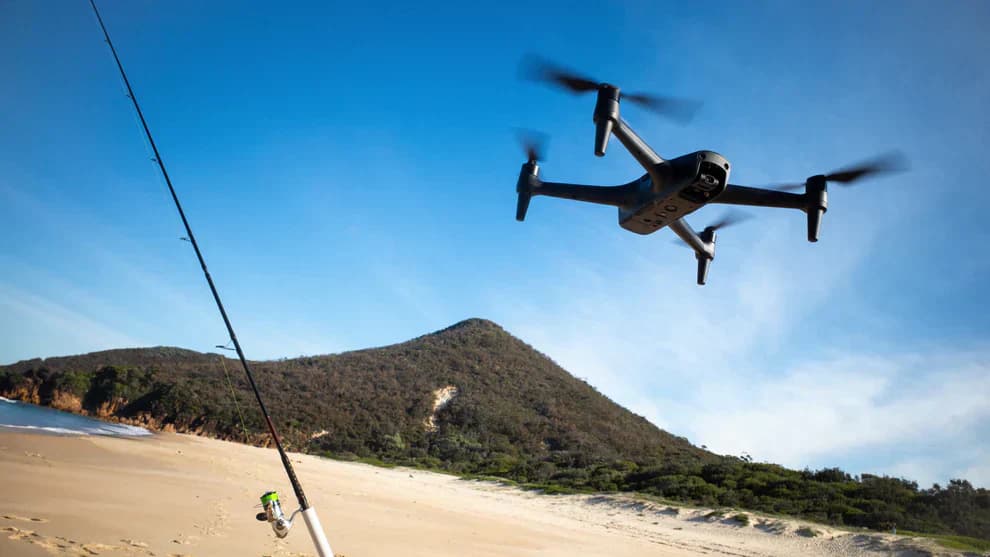
A fishing drone with bait release is a UAV built with a mechanical payload release system that lets you carry bait - attached to your fishing line - out over the water and drop it at a precise location with a remote trigger. Instead of fighting the surf with a cast, you fly your rig 300 to 1,000 metres offshore and release it exactly where you want it.
The core difference between a dedicated fishing drone and a regular camera drone with an add-on attachment comes down to one word: purpose. A dedicated fishing drone is engineered around saltwater exposure, payload stability, and emergency release from the ground up. The bait release isn't an afterthought bolted on - it's built into the frame. The Aeroo Pro, for example, uses an electromechanical quick-attach system on the underside of the frame that loads in seconds and releases cleanly on command.
Two types of release mechanisms are common in the market right now. The first is a tension-based release, which drops the bait when the line tension exceeds a set threshold - reliable in calm conditions. The second is a mechanical or electromechanical release triggered directly from the remote, which gives you full control over exactly when the bait drops. Most serious fishing drones use an electromechanical system so you're not at the mercy of wave action or gusts pulling the line early.

Dedicated Fishing Drone vs DJI Drone with an Attachment - Which One Actually Makes Sense?
This is the question I get asked most often. People already own a DJI drone, they see a Gannet bait release attachment online for a couple of hundred dollars, and they want to know if that's enough.
Here's the honest answer - it depends on how seriously you fish, and how much you care about your drone surviving the experience.
FeatureDedicated Fishing Drone (e.g. Aeroo Pro)DJI Drone + Bait AttachmentSaltwater resistanceMarine-grade sealed componentsNo - voids warranty immediatelyMax payloadUp to 1kg300-500g depending on modelWarranty statusFull manufacturer warrantyVoided by third-party attachmentEmergency bait releaseBuilt-in automatic on signal lossNo automatic failsafeWind resistance50km/h+25-35km/h typicalFlight time with payloadUp to 45 minutes15-20 minutes with weightPurpose-built fishing modesYes - drop point save, payload stability modeNoMultiple bait drops per flightYesUsually 1 drop only
If you fish casually a few times a year from calm beaches, a DJI attachment setup might work fine. But if you're fishing rough surf in Tasmania or open water off Queensland, a dedicated fishing drone is going to earn its price very quickly - and the drone is going to survive encounters that would write off a Mavic.
One thing worth knowing: attaching third-party bait release equipment to a DJI drone typically appears in the flight log. If anything goes wrong, the warranty claim gets rejected. I've spoken to people who found this out the hard way after a saltwater dunk.
Top Fishing Drones with Bait Release Available in Australia
The market has expanded significantly in the past two years. Here are the main options you'll find in Australia right now.

Aeroo Pro - $1,299 AUD
This is the drone I'd point most Australian surf anglers toward. The Aeroo Pro is a 100% Australian-owned product built specifically around the conditions you'll find on this coastline - strong winds, saltwater spray, and long beach runs. Vision Plus stocks it in both Hobart and Brisbane, and the team there can walk you through the setup in person if you're buying locally.
The specs are genuinely impressive for the price. A 53cm reinforced frame handles sustained 50km/h winds without issue. The bait release carries up to 1kg of payload, which means you can run heavy sinkers and whole baits for shark and game fishing - not just light rigs. Each flight gives you up to 45 minutes of air time, translating to multiple bait drops per battery.
What I particularly like about the Aeroo Pro setup is the quick-attach bait button on the underside of the frame. When you're on a beach at 5am with cold hands and fish showing, you don't want to spend time fiddling with hooks and clips. You load the rig in seconds and you're in the air.
The 4K UHD camera with three-axis gimbal and 6x digital zoom is a genuine bonus. You can scout the water for bait schools, spot gutters from height, and see exactly where the current is running - all while the drone is hovering. The WaveSync transmission system keeps your live video feed clear at up to 10km range.
Safety features include automatic return-to-home, emergency payload release on signal loss, and multiple vision sensors. If you lose connection, the drone comes back. If it can't come back, it drops the bait rather than dragging your line into the ocean with it.
The Aeroo Pro is available in three configurations: standard, Combo, and Smart Combo. See all options and pricing at Vision Plus →
Best for: Serious surf anglers, game fishers, anyone fishing rough coastline in Tasmania, QLD, or WA.

Condor A22S - Mid-range option
The Condor A22S uses the Newton 3 dual-mechanism bait release - both tension and mechanical - which gives you a backup if one system fails. Max payload is 600g, wind resistance is rated to 20 knots (about 37km/h), and flight time is around 20 minutes. It's a solid entry-level fishing drone if budget is a primary consideration, though the flight time and wind rating fall noticeably short of the Aeroo Pro at comparable price points.
Rippton SharkX
The SharkX is waterproof - genuinely waterproof, not just splash-resistant - which makes it appealing for boat-based fishing where the drone might take a wave. Heavy bait drops and good wind resistance are the headline specs. The trade-off is a steeper learning curve and a control system that takes some adjustment compared to more consumer-oriented drones.
SwellPro SplashDrone 4
SwellPro's SplashDrone series has been in the Australian market longest and has a strong reputation for reliability. The SplashDrone 4 is fully waterproof and can land on water, which is genuinely useful for offshore fishing applications. Higher price point, but the durability track record is well established.
Is Drone Fishing Legal in Australia? A State-by-State Breakdown
Yes, drone fishing is legal in Australia - but the rules have enough variation between states and environments that it's worth understanding before you head out. Getting caught flying in a restricted zone can mean fines, and in some national parks, confiscation of gear.
At the national level, CASA sets the baseline rules that apply everywhere. For recreational drone use, these are the key points:
Maximum altitude of 120 metres above ground level
Must remain within visual line of sight at all times
Cannot fly over or near people who aren't involved in the activity
No flying within 5.5km of a controlled aerodrome without approval
Must not fly over areas where emergency operations are underway
For drones under 250g, registration isn't required. The Aeroo Pro and most purpose-built fishing drones are heavier than this threshold, so recreational registration with CASA is required. The process is straightforward and costs around $20 annually.
Tasmania
Tasmania is arguably the best drone fishing destination in Australia - long surf beaches, minimal crowds, and great fish. The legal situation is also relatively clean. Most public beaches are open for drone use under standard CASA rules.
The main restrictions to know: Southwest National Park, Freycinet National Park, and most other national park areas prohibit drone use entirely for all recreational purposes, including fishing. The Tasmanian Parks and Wildlife Service issues specific area permits in some cases, but you need to apply in advance. Bruny Island, Bicheno, and the East Coast beaches outside park boundaries are generally clear.
Queensland
Queensland fishing beaches are productive for drone fishing, particularly around Moreton Bay and the Sunshine Coast. The Great Barrier Reef Marine Park has strict no-fly zones - any drone use within GBRMP boundaries requires a permit, and fishing drones specifically fall under additional scrutiny given environmental sensitivity. Outside marine park boundaries, standard CASA rules apply.
Moreton Island itself has drone restrictions in several areas. North Stradbroke Island beaches are generally accessible, and the stretch between Noosa and Rainbow Beach is popular for drone fishing for tailor and school mackerel.
Western Australia
WA has some of the country's best drone fishing country - long remote beaches, big fish, and relatively few people. Standard CASA rules apply across most of the coast. Rottnest Island prohibits drone use. The Ningaloo Reef area has specific restrictions given its marine park status. Cable Beach in Broome is generally open under standard rules, and it's one of the better-known drone fishing spots in the country.
New South Wales
Sydney's beaches are generally restricted during swimming hours when lifeguards are on duty, as the drone flying-over-people rule effectively closes most patrolled beaches. Early mornings and off-season are different. Stockton Beach near Newcastle is one of the most popular NSW drone fishing locations - long, remote, and unrestricted under standard CASA rules.
For all states, the CASA "Can I Fly There?" app is the most reliable way to check a specific location before you go. Don't rely on what someone told you worked last year - rules change.
Setting Up for Your First Drone Fishing Drop

The mechanics of it are less complicated than people expect, but there are a few things that trip up first-timers.
Line selection matters more than most guides acknowledge. You want a thin-diameter, high-breaking-strain line - 50lb monofilament or 30-50lb braid works well for most drone fishing rigs. Thicker line creates more wind drag in flight and increases the load on the drone's motors. The line should spool off your reel freely without any friction that might cause the drone to pull against tension before you've triggered the release.
Here's the step-by-step that works consistently:
Rig your bait and attach to the release hook. On the Aeroo Pro, the quick-attach button on the underside takes seconds. Make sure the bait is balanced and won't spin in flight - spinning creates drag and can destabilise the drone in crosswinds.
Set your reel in freespool. The drone needs line to pay out freely as it flies. A clicker or mechanical resistance will fight the motors and drain the battery faster.
Pre-flight check. GPS lock, battery level, return-to-home point set. On the Aeroo Pro, you can save your drop point location and return to it on repeat drops - useful when you've found fish holding at a specific depth.
Take off and climb to working height. 30-50 metres is enough for most surf beach fishing. Higher altitude increases line drag.
Fly to your drop zone. Use the live camera feed to read the water - look for colour changes, current seams, and bait activity. This scouting alone is worth the price of admission.
Trigger the release. The bait drops and the sinker takes the line down. Return the drone while the line settles.
Return drone to home, land, reload. With 45 minutes of flight time, you can manage multiple drops and still have battery in reserve.
Wind is the variable that changes everything. Under 20 knots, drone fishing is straightforward. Between 20 and 35 knots you can still fish, but bait presentation gets harder as the line gets pushed sideways. Above 35 knots, most drones - even the Aeroo Pro - are working hard just to hold position. Save the heavy weather days for conventional gear.
Best Locations in Australia for Drone Fishing
Australia has more prime drone fishing coastline than anywhere else in the world, and the variety of what you can target is remarkable. A few locations worth knowing:
Ninety Mile Beach, Victoria - One of the longest uninterrupted stretches of surf beach on the east coast. Gummy sharks, mulloway, and tailor are the targets. Remote enough that you'll rarely have crowd issues.
Stockton Beach, NSW - The drone fishing community up here is active and well-established. Good for tailor, jewfish, and school sharks. The long straight beach means clean runs without obstacles.
East Coast Tasmania - Between St Helens and Bicheno, there are beaches that see almost no fishing pressure. The water is cleaner than the mainland east coast and the fish are less pressured. Flathead, bream, and snapper in good numbers. Vision Plus has a store in Hobart - so if you're planning a Tasmanian surf fishing trip and want to pick up an Aeroo Pro in person before heading out, that's an option.
Moreton Island, QLD - Check current drone regulations for specific areas before heading here, but the beaches on the ocean side are productive for mackerel, trevally, and golden trevalla.
Cable Beach, Broome, WA - Long, flat, and mostly unrestricted. The fishing isn't the most technical, but the access to water that's hard to reach by conventional cast makes it worthwhile.
Frequently Asked Questions
Are fishing drones with bait release legal in Australia?
Yes, drone fishing is legal in Australia under CASA regulations, provided you follow standard recreational drone rules - maximum 120m altitude, line of sight, no flying over people, and registration for drones over 250g. Additional state-specific restrictions apply in national parks and marine protected areas. Always check the CASA "Can I Fly There?" app for your specific location before fishing.
What is the best fishing drone with bait release in Australia?
For Australian conditions - saltwater surf, strong winds, and long sessions - the Aeroo Pro is the standout option. It carries up to 1kg of payload, has genuine marine-grade weather resistance, and delivers up to 45 minutes of flight time per battery. It's purpose-built for the conditions you'll encounter on Australian coastline, and it's available at Vision Plus in Hobart and Brisbane at $1,299 AUD.
How far can a fishing drone fly with bait?
The Aeroo Pro has a 10km transmission range, but practical fishing range is typically 300m to 1,000m from shore. Beyond that, line drag becomes significant and bait presentation suffers. For most surf beach fishing, 400-600m offshore is the sweet spot - past the second sandbar and into cleaner water.
How much does a fishing drone with bait release cost in Australia?
Entry-level options like the Condor A22S start around $600-$800 AUD. Mid-range dedicated fishing drones sit in the $1,000-$1,500 range - the Aeroo Pro is priced at $1,299. Premium options like the SwellPro SplashDrone 4 push to $2,000+. For most Australian surf anglers, the $1,000-$1,500 range delivers the best balance of capability and durability.
Can I use a DJI drone for bait release fishing?
Technically yes, with a third-party attachment like a Gannet bait release. But attaching third-party hardware typically voids the DJI warranty, and DJI consumer drones are not designed for saltwater environments - the motors, ESCs, and gimbal components are not sealed against corrosion. If saltwater spray reaches the internals, the repair bill is significant. For occasional freshwater or estuary use in calm conditions, a DJI attachment can work. For regular surf beach fishing in Australian conditions, a dedicated fishing drone like the Aeroo Pro is the better long-term investment.
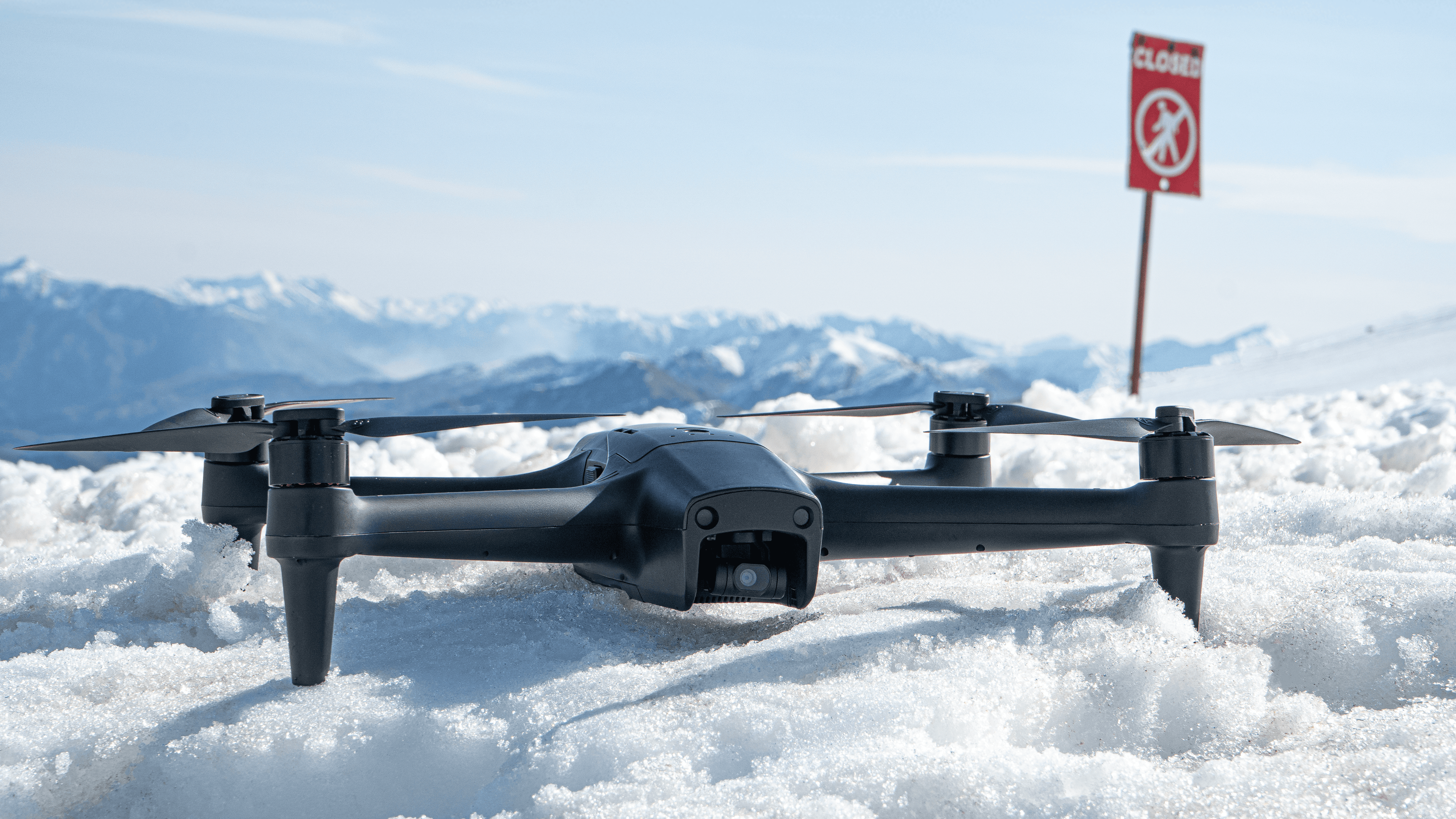
Featured product
Aeroo Pro
The most advanced, easy-to-fly, multi-purpose consumer drone.
From $1,499.00
Buy Now