Learn how to set up a drone fishing rig for Australian surf - complete with rig specs, rod and reel configuration, freespool setup, and a state-by-state conditions guide.
What is a Drone Fishing Rig?
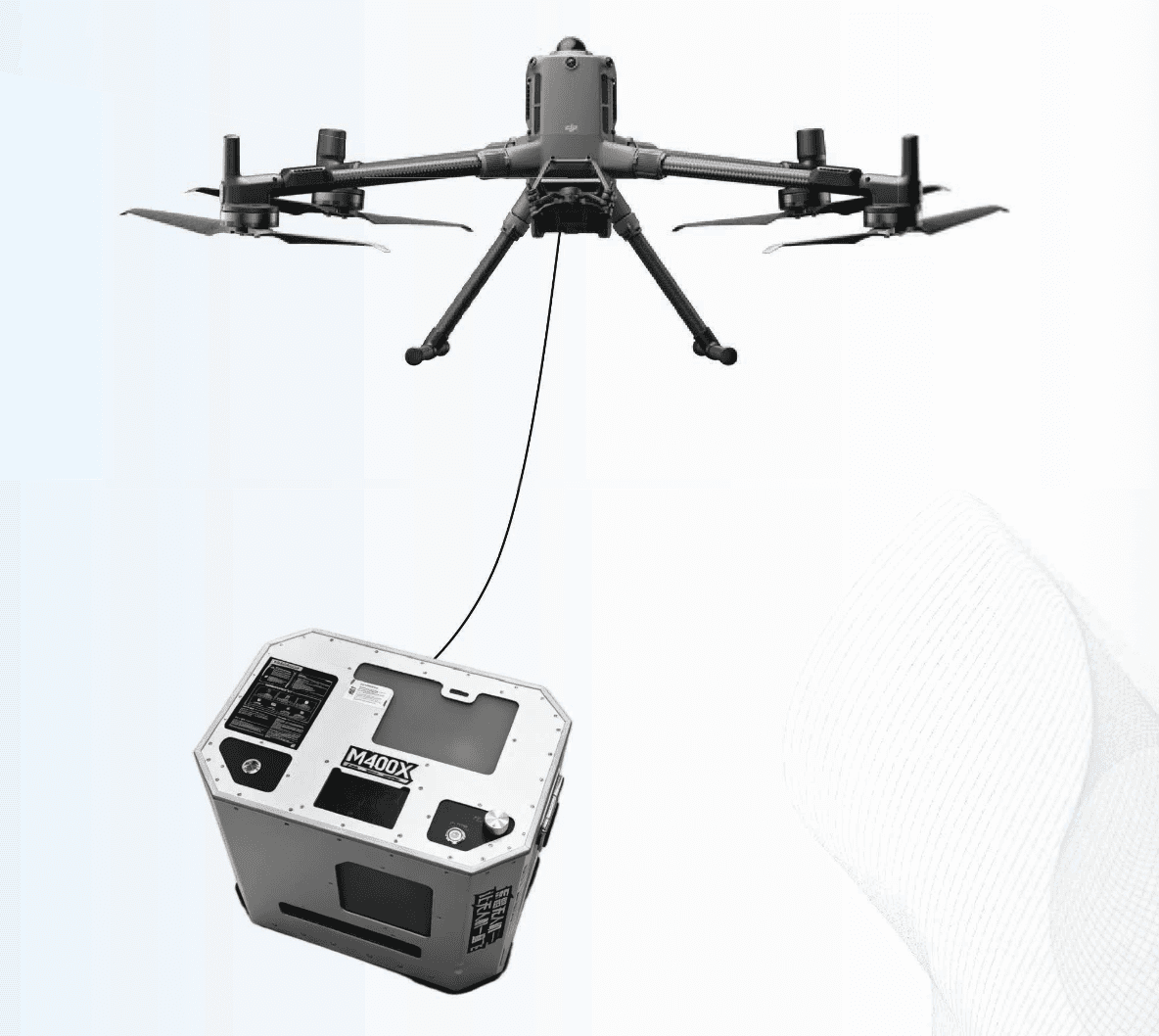
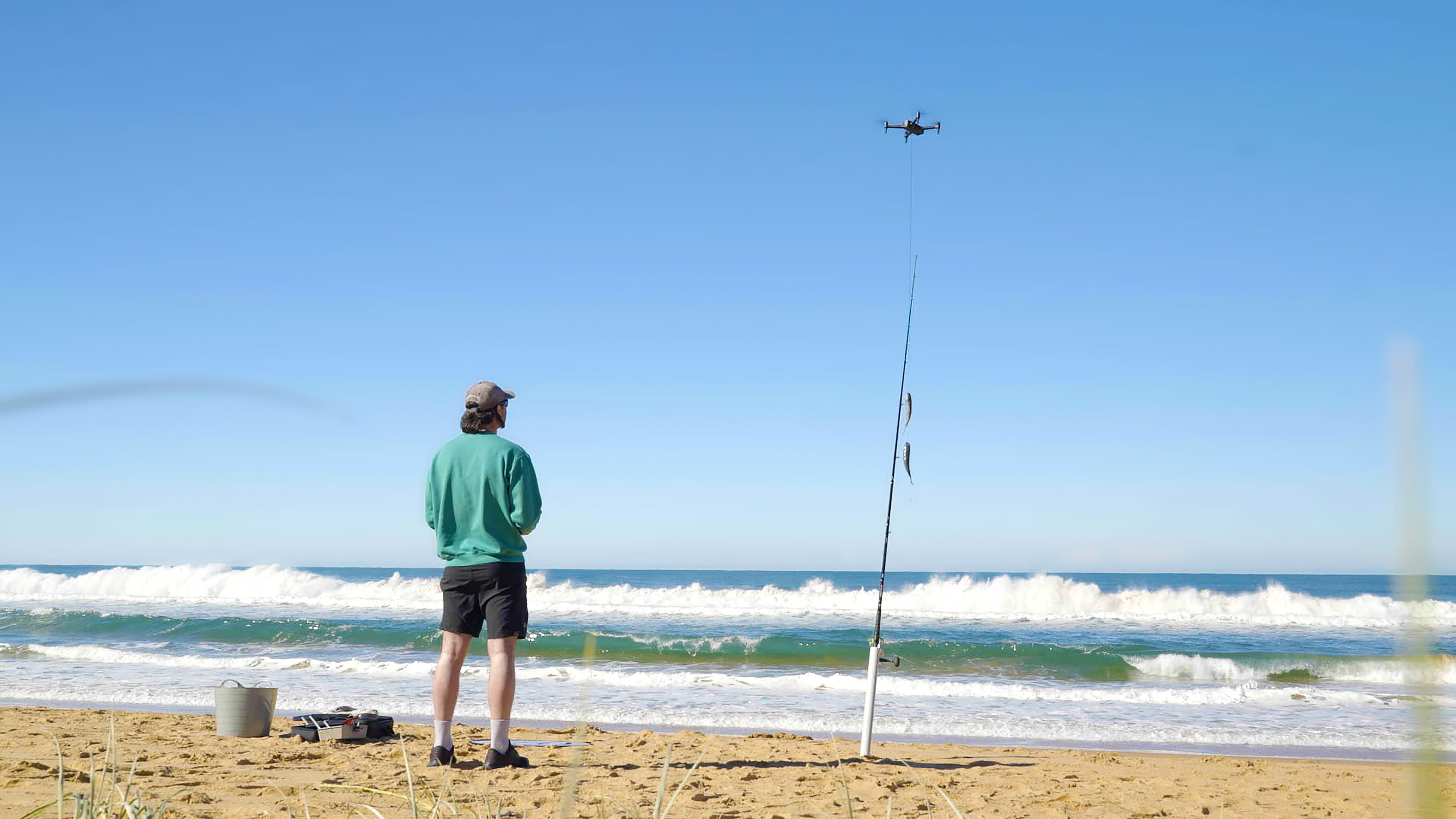
A drone fishing rig is a terminal tackle setup that connects your fishing line to a bait-release drone, letting you cast your bait hundreds of metres offshore without a boat, a long pier, or a monster cast. The idea is straightforward: instead of dropping the line by hand from the shoreline, you attach your baited hook arrangement to the drone's payload clip, fly it out to your chosen fishing spots, and trigger the release from the remote. The drone does the heavy lifting - angling literally becomes aerial. Beyond delivery, you can scout the water from the air, locate bait schools, and read current lines using the live camera feed - a level of visibility that completely changes how you use the water around you. Drone fishing rigs in Australia have evolved quickly, and today's purpose-built setups come loaded with advanced features: specialised bait release mechanisms, integrated sonar fish finders, HD cameras, and app control that lets you save drop points and return to the exact same location on repeat drifts. The commonly used rigs are all modified versions of familiar surf fishing setups - the difference is how you deliver them to your target and how precisely you can put the bait where the fish actually are, catching species that would otherwise be out of reach from the boat or beach.

The Drop Loop: Why Every Drone Fishing Rig Starts Here
Before you attach anything else to your aerial fishing setup, the drop loop goes on first - every single time. This is a leader line between 0.5m and 1m long (sometimes longer for heavier rigs) that connects to your drone's bait clip on one end and your terminal tackle on the other. Its job is twofold: it stops your mainline from swinging back into the propellers during flight, and it gives you a controlled break point if anything goes wrong mid-air. Without a proper attachment line, a heavy duty sinker and a whole bait can pendulum unpredictably in crosswinds and throw the whole aircraft off balance. The connection line on most commercial drone rigs runs to around 400mm, though extending it with a safety feature loop tied using solid loop knots gives you a cleaner departure on takeoff. Think of it as the backbone of your entire preparation - every other component in your systems hangs off this one piece of line. Get the catches right and the rest of the rig flies stable.

Choosing the Right Drone Fishing Rod
Your fishing rod and reel do not operate independently when you are drone fishing - they need to be matched as a system that works together to deliver your bait cleanly and fight fish at serious distance. The rod has to handle the peculiar dynamics of offshore line management: paying out hundreds of metres under minimal resistance on the way out, then absorbing serious load when a fish runs at range. A general-purpose freshwater setup will not cut it. Getting the rod and reel pairing right from the start means you operate effectively from the first cast rather than troubleshooting gear that was never designed for this application.
Rod Length and Power: What Works Under Drone Tension
The specs that matter most for drone fishing are length and backbone rating. Shorter fishing rods create line friction problems at takeoff and during flight because the angle between the rod tip and the departing line is too acute - the power required to maintain a smooth arc increases sharply as length drops below ten feet. A 12–14ft heavy surf rod rated 8–15kg is the benchmark most experienced drone anglers settle on, because it keeps the rod length long enough to manage line departure cleanly while giving you enough backbone to handle the tension of a hard run from distance.
Rod Holder and Bank Stick: Hands-Free Drone Fishing Setup
One thing that surprises first-timers is the practical problem of needing both hands on the remote while your rod is loaded with line paying out across the water. A quality bank stick spike driven at a 45-degree angle into the sand, combined with a secure rod holder clip, is the only reliable solution. The rod sits in the holder under load, and a safety leash from the rod butt to the stick gives you a backup if a fish runs hard before you can get back to it. This is a completely hands-free arrangement - it sounds simple, but running a proper drone fishing setup without one leads to dropped rods and lost gear.
The Best Drone Fishing Reel Setup and Freespool Configuration
The single most important quality in any reel chosen for this style of fishing is how cleanly it releases line during the drone's outbound flight. An easy-to-release line from a well-set spool is the difference between a clean drop and a scenario where line resistance drags against the drone's motors, kills battery faster than expected, and potentially causes a short flight. The goal is a fishing reel that delivers the line with zero mechanical friction while the drone flies out - freespool - then locks up cleanly when you need to fight a fish. Smooth departure is the only non-negotiable spec in this category, regardless of brand or price point.

Freespool: The One Reel Setting That Changes Everything
On any fishing reel you run for drone work, the easy-to-release spool setting - commonly called free-spool mode or open bail - needs to be set before the drone lifts off. Disengage the drag completely, click the clicker off, and confirm the line release is truly friction-free by pulling a short length by hand before flight. Baitcasters and overheads tend to freespool more cleanly than spinning reels for this application, though a spinning reel with an open bail works fine if the line is not kinked or packed too tightly. A fouled spool mid-flight means the drone fishing system is fighting itself - battery drain accelerates and the drone can struggle to maintain altitude under load.
Braid vs Monofilament Mainline for Drone Fishing Rigs
This choice comes down to wind drag and handling characteristics. Braid at 30lb to 50lb breaking strain in an 8-strand construction has the thinnest diameter for its rated breaking strains, which means significantly less wind resistance during the outbound flight - the drone is not fighting a sail of thick line as it crosses the surface. Braid also has zero stretch, which gives you better bite detection at distance. The trade-off is that braid can tangle more aggressively on takeoff if there is any slack in the system. Monofilament mainline handles takeoff tangles better because of its inherent memory, and a hi-test Australian mono like Platypus 200lb, 80lb, or 40lb grades gives you a trusted heavy-duty backbone for the rig body itself. The setup most experienced anglers land on is a braid mainline on the reel - enough quantity to fill the spool - then a 2000mm heavy mono leader section transitioning to the terminal components, with a sinker breakaway trace of around 500mm tied off the bottom of the swivel. This hybrid gives you thin-diameter outbound flight characteristics with the abrasion resistance of heavy mono where it matters.
Waterproof Drone Fishing: Why Saltwater Resistance is Non-Negotiable
Purpose-built fishing drones are engineered to operate in the same environment where your catch lives - salt air, spray, and unpredictable winds ranging from light through to heavy winds. A waterproof frame with sealed motors and corrosion-resistant components is not a premium feature on these machines - it is a baseline requirement. The reason is straightforward: a fishing drone that is not rated for marine use will not be covered by warranty when the inevitable happens, and in a beach environment, something always does. Running moderate winds of 20–25 knots is routine in most Australian surf fishing locations, and a purpose-built design handles this without compromising flight time or payload stability in ways that a standard camera drone simply cannot.
What Saltwater Does to a Non-Waterproof Drone
The damage starts before the drone touches water. Beach air carries sand particles fine enough to penetrate motor casings and score the internal windings - this is abrasive damage that compounds over multiple sessions, and it is not covered under any standard warranty because the environment itself is the cause. Saltwater hits harder and faster: even a single session of offshore flying over breaking surf deposits salt crystals inside the motors, on the electronics board, and across every sensors port. The result is corrosion that starts invisibly and surfaces weeks later as motor stalls, ESC board failures, and gimbal bearing rust. DJI drones and other general photography drones and videography drones are not designed for water-based environments - their payload capacity is set for camera equipment, not sinkers and live bait, and the pendulum effect of a swinging line carrying a heavy bait and sinker is enough to throw the aircraft's balance and pull it out of the sky in crosswinds. Adding third-party products like a bait clip immediately voids the manufacturer's terms, and anything that shows up in the flight log as excess payload is grounds for claim rejection. A compromised bait release mechanism mid-flight is also a significant safety issue in terms of wind conditions affecting stability and flight time - wet environments accelerate every one of these failure modes simultaneously. The risk profile of running a consumer photography or videography platform in this environment is simply not worth it - the crash risk at the beach is real, and the repair costs reflect it.
After-Session Care: Rinsing and Storing Your Drone Fishing Setup
Every session in a marine environment deposits salt on every surface it touches. A freshwater rinse of all exterior components - frame, motors, props, and the drone fishing setup's bait release mechanism - immediately after each use stops the corrosion cycle before it starts. Dry storing in a sealed case with a silica sachet, combined with a prop inspection for sand scoring, is the complete after-session care routine that adds years to the lifespan of a machine that costs real money. Rinsing takes two minutes and is the single highest-return maintenance habit in this style of fishing.
The 5 Essential Drone Fishing Rigs and Exact Setup Specs
The drone fishing rigs that work consistently across Australia are all variations on proven surf and offshore setups, modified for aerial delivery. What makes them work as drone rigs specifically is the use of a drop loop and a safety clip at the top of every build - without these, the rigs are just conventional surf setups. The five below cover the range of target species you will encounter from the beach, with exact components that match what this style of fishing actually demands. All of them are simple enough to build at home, proven across thousands of sessions by Australian anglers, and modified easily based on location and what the fish are feeding on that day. Any quality fishing drone on the market with a payload release system can run all five.
Basic Bottom Rig: Specs, Setup, and Best Conditions
The bottom rig is the starting point for almost everyone who gets into drone fishing - it is the classic surf setup delivered aerially, and it works. A 60–80lb mono trace of 60cm, a #4/0–6/0 circle hook, and a 60–120g ball sinker covers the majority of beach sessions targeting Redfish, Tailor, and Salmon. Baits that work best under this build are pilchards, mullet, beach worms, and squid. When using live bait or fishing into a strong current, swap the ball sinker for a grapnel sinker so the bait can anchor rather than roll along the bottom. If the bite is slow, adding a second set of hooks to the trace is a straightforward way to increase your chances without changing the core of the build.
Snapper Rig: Multi-Hook Setup for School Species
The snapper rig is built for situations where fish are running in school, because the multi-dropper configuration opens the door to multi-catches on a single drop. The backbone runs to 80lb mono at 1m, with two hook droppers spaced to prevent tangles in flight - critical when you are carrying the rig at speed across open water. Snelled traces using Shogun 7/0 Octopus Circle and 7/0 beak hooks on 350mm traces, clipped with Harbor ball bearing power twist snaps, give you a removable dropper system that simplifies both storage and baiting in the field. Adding lumo squid skirts keeps the bait off the sea floor and away from crabs and other flat species. Preferred baits are pilchards, squid, whiting, and yellowtail. Hook traces that are removable also mean fish handling is cleaner - unclip the catch, clip a fresh dropper, and fly again. This rig has accounted for serious Pink Snapper, Western Australian Dhu Fish, Breaksea Cod, Samson Fish, and Mulloway from Australian beaches. A lighter sinker is usually the right call - the buoyant skirts do the lifting work, and heavy lead kills the natural presentation. Watch your sinker choice carefully as it directly affects your retrieval when winding back.
Float Rig: Targeting Tuna, Mackerel, and Pelagic Species
For species that feed in the upper water column rather than on the bottom, the float rig is the right tool. The setup uses a 50lb mono trace of 1.5m, a #6/0 long shank hook, and a balloon tied approximately 80cm above the hook - no sinker needed, as the bait itself provides the presentation. The key instruction for this one is to fly with the current rather than against it, which gives the bait a natural presentation that pelagic species respond to. Pilchard, sand eels, and surface lures are the preferred choices here. The balloon must be adjusted to sit at a safe distance from the drone during flight, particularly when crossing wind - too close and it can drift into the propeller arc. This rig is the primary setup for open water species like Tuna and Marlin when they push within casting drone range of the beach.
Shark Rig: Heavy Gear Specs for Big Game Drone Fishing
This build is not for the timid side of the sport - the shark rig is full big game specification delivered from the shoreline, which is where drone fishing genuinely changes what is accessible. The wire trace runs to 200lb coated wire at 60cm, crimped at both ends using Platypus 200lb monofilament for the upper section, with a 10/0–12/0 J-hook or circle hook and a 150–200g grapnel on a breakaway sinker system. The sinker breakaway trace of 500mm uses a lighter breaking strength so it can break free under load without affecting the rig construction higher up - this is the safety layer that protects the rest of the terminal tackle when a big shark runs hard. Preferred baits are whole oily fish - tuna, mackerel, and mullet all work, with whole bait heads being particularly effective. The gear throughout needs to be robust enough for larger catches - light components will fail. The adrenaline factor of targeting sharks from the beach using aerial delivery is real, and it attracts a serious audience of dedicated big-game beach anglers across Australia. Use a weaker line for the sinker attachment only.
Live Bait Rig: The Setup That Gets Overlooked
No competitor in this space has a dedicated live bait rig section - which is why this one is worth understanding carefully. Running live bait aerially requires a delicate balance: the hook must be positioned to keep the bait alive and kicking during the flight, which usually means a nose or back mount with a #3/0 live bait hook and a 40lb fluorocarbon trace of 80cm. No sinker - the bait itself provides the natural movement that triggers strikes. A grapnel sinker is the only lead option if you are fishing into a particularly strong current that is washing the bait inshore before it can work. The drop loop and safety release are mandatory on this build - a panicked live bait can spin the whole rig during flight, and a clean anchor point at the top of the trace is the only thing preventing propeller contact.
How to Set Up a Drone Fishing Rig Step by Step
The difference between a session that runs smoothly and one that wastes an hour untangling gear on the beach is almost always preparation. Having systems in place before you arrive - pre-tied traces, hooks ready on removable droppers, storage sorted so the rig stays tangle-free in transit - means that when the bite is happening, you are baiting up and back in the water in minutes rather than rebuilding the whole setup. Good drone fishers treat rig assembly like a pre-flight checklist: safety clip first, drop loop confirmed, fish handling gear within reach, and the rigs ready to fly before the drone leaves the ground. A user-friendly system where terminal components can be swapped without re-tying knots is the gold standard for setup speed in the field.
Knots That Work Under Drone Load: Uni Knot, Cat's Paw, and Crimp Connections
The hardware that holds a drone rig together under sustained load and high-speed flight is worth selecting deliberately. Shogun HD crane swivel crimp sleeves with aluminium crimps are the standard for structural connections in serious rig construction - they hold more reliably than hand-tied knots at the swivel junction and do not slip under sustained drone connection line tension. A 3 way crane swivel at the rig's central junction point handles line direction changes cleanly, while a standard crane swivel at the top of the drop loop gives the mainline a clean rotation point. Loop knots work well for connecting the leader sections - the uni knot for mono-to-hook connections, and the cat's paw for braid-to-swivel junctions. Snelled hook traces using the snelling method give you direct line alignment with the hook eye, which matters for bottom rigs where the hook attachment angle affects hookup rates. Breakaway sinker line should always be one grade lighter than the main trace so it parts cleanly under extreme load. Harbor ball bearing power twist snaps are the right choice for clip connections on removable droppers - they handle the repeated attachment and release cycles without fatigue failure.
Attaching Your Rig to the Bait Release: Drop Loop + Safety Clip Method
The attachment sequence matters more than most beginners expect. The safety clip connects first - directly to the drone's payload release point. The drop loop, a leader line of 0.5m to 1m, runs below the clip and carries the entire weight of the rigs below it during flight. This loop should be tied using solid loop knots rather than hitches - the cyclic load of a drone in flight puts stress on knot geometry in ways that a static fishing load does not. The full attachment line length including clip-to-swivel should not exceed 400mm above the drop loop - anything longer and the system swings excessively during fast flight. A crimp sleeve at the top of the drop loop trace gives you a clean, non-slip connection to the clip hardware. Some anglers add a burley bomb filled with Bait Mate Snapper pellets to the empty clip point once the rig is released - the Saltatrix dissolvable burley mesh disperses a scent trail at the drop point and keeps fish holding in the zone for the next drop. The rig below should hang freely and level - if it twists or tilts on the bench, it will behave the same way in the air and affect flight stability.
Adjusting Your Drone Fishing Rig for Australian Beach Conditions
Spending time on the shores of NSW, WA, and right across Australia quickly teaches you that a drone rig built for one beach does not automatically perform on the next one. The combination of sandy, salty air, variable swell, and wildly different species profiles means your drone fishing rigs need to be genuinely modified for each location rather than treated as a one-size-fits-all solution. Purpose-built fishing drones handle the environmental side - waterproof frames deal with moderate winds without drama, though heavy winds above 35 knots push even the best machines hard on stability, flight time, and battery consumption. Understanding local wind force patterns at your specific beach is as important as rig selection - a drone that is working too hard against an offshore headwind will not deliver your bait cleanly and risks a crash on return. The Aeroo Pro Fishing Drone with its marine-rated frame handles Australian coastal conditions better than any general-purpose UAV, but the rig itself still needs to be tuned to what is happening in the water below target.
Surf Beach Rigs: Heavy Swell and Strong Current Setup
In heavy surf beach conditions - the kind you find on exposed Tasmanian coastline or the open NSW breaks - the key adjustments are heavier lead (120–180g), shorter traces (50–60cm to reduce swing), and a preference for grapnel over ball sinker to hold the presentation in a strong current. These modifications tighten up the whole surf beach rigs profile and reduce the pendulum movement that a longer trace creates in broken water. The heavy swell conditions common on the East Coast during winter require a strong current setup on the sinker side specifically - a ball sinker that rolls with the current renders the bait presentation useless.
Warm Water Rigs: Targeting Pelagics and Game Fish
The Queensland coast and the warmer waters of northern WA call for a completely different approach. Warm water rigs targeting pelagics lean toward float rigs, lighter traces, and live bait presentations - the float rig covered earlier is the primary setup here. Game fish like mackerel, tuna, and GT in warmer water are more aggressive surface feeders, and the aerial delivery advantage of drone fishing is most pronounced when you can drop a live bait right on top of a feeding school without spooking it. Current direction matters significantly in these environments.
Remote Beach Rigs: Long-Distance Drops for Big Fish
The remote beaches of WA and the more isolated stretches of the NSW coast are where drone fishing's delivery advantage is most obvious - there is genuinely nowhere else to put the bait other than from the air. In the West Coast bio region of Australia, anglers targeting demersal species need to note that one hook dropper is the legal limit - the regulations are specific and the penalties for non-compliance are real. The species profile here is exceptional: Pink Snapper, Western Australian Dhu Fish, Breaksea Cod, Samson Fish, and Mulloway are all realistic targets from accessible beach locations when you can put a bait 400–800 metres offshore. Heavy sinkers (150–200g) and robust traces are the baseline rig specification for these applications.
Drone Fishing Rigs Compared: Quick-Reference Guide by Species
The table below cuts through the decision-making: match your target species to the rig, confirm the sinker weight suits the conditions at your location, and modify from there. Redfish, Tailor, and Salmon are consistently taken on a standard bottom dwelling rig with a ball sinker and circle hook. Tuna and Marlin belong to the float rig with a balloon and no lead - open water presentations only. The Snapper rig with multi-hook droppers covers school species and maximises your chance of a double hookup. Sharks call for the wire trace and heavy gear build described in the rig section above. Pink Snapper, Dhu Fish, Breaksea Cod, Samson Fish, and Mulloway all respond well to the snapper rig with removable hook droppers and a buoyant skirt to keep the bait off the bottom. The pelagic category covers everything that swims mid-water - adjust bait choice and depth presentation rather than switching rigs entirely. All of these builds can be modified to suit conditions without rebuilding from scratch.
5 Drone Fishing Rig Mistakes That Cost You Fish (and Equipment)
Most of the errors that end sessions early or damage gear fall into predictable categories. Exceeding the drone's payload capacity is the most common structural mistake - a sinker that is too heavy for the rated lift affects flight performance, reduces flight time, and shows up in the flight log in a way that voids the manufacturer's warranty. Flying too fast with a heavy rig creates the pendulum effect where a swinging line carrying a full sinker load pulls the aircraft off balance and can bring it down from the sky. Not using a drop loop or safety clip is a beginner error that experienced anglers never repeat after the first time line goes into a prop. Underestimating wind force at the beach - particularly offshore winds that are stronger at height than at sand level - leads to a crash on the return leg when the drone is fighting headwind without reserve battery. Adding third-party products to a camera drone voids the warranty and puts a record of the modified payload in the rigs' flight data. And running without a safety clip on the bait attachment is simply putting a loaded rig into a propeller's path with no failsafe if the system misfires. Every one of these mistakes is avoidable with proper setup habits established from the start.
What Drone Can Actually Handle These Rigs?
The five rigs above - from basic bottom builds through to the full wire-trace shark setup - all require a platform with genuine payload capacity, reliable bait release hardware, and a frame that can survive the marine environment they operate in. A purpose-built fishing drone designed for surf fishing is not optional for serious use - it is the minimum viable equipment. The specs to evaluate are lift rating (1kg minimum for the heavier rigs), transmission range (10km gives you enough margin for the deepest practical drops), and frame sealing against salt air and spray. Waterproof, moderate winds rated, and operating across a wide temperature range without battery performance drops - these are the characteristics that matter. Vision Plus stocks the full range of drone fishing equipment including matched rod and reel combos, terminal tackle, and ready-to-fish drones - everything covered in this guide is available as a complete system rather than individual components assembled from multiple sources. Any drone on the market claiming fishing capability needs to be tested against these benchmarks before you trust it with a Shark Rig 600 metres offshore. The Saltatrix rig design works with any drone that has a clean payload release - the question is whether that fishing drone can handle the conditions it will face in the real world rather than in a controlled demonstration.
Frequently Asked Questions
FAQ 1: What is the best drone fishing rig for beginners in Australia?
The basic rig - a single circle hook, ball sinker, and a short mono trace - is the universally recommended starting point for any beginner getting into drone fishing in Australia. It is easy to tie, classic in design, and proven on every surf beach on the continent. It forgives assembly errors that more complex setups would not, and it works reliably on a drone fishing line payload without creating the flight instability that multi-dropper rigs can. The word simple gets used a lot for a reason - this rig catches fish because the presentation is clean and consistent.
FAQ 2: What line weight should I use for drone fishing?
The specific answer depends on your target species, but the starting point that most experienced anglers agree on is a mainline in the 30–50lb range for the spool, transitioning to a heavier mono or fluorocarbon leader of 60–80lb for the terminal section. The mainline needs to balance two competing demands: thin enough diameter to minimise wind drag during the outbound flight, and high enough breaking strains to handle a fish at distance. A hi-test Australian mono like Platypus 200lb grade is the benchmark for heavy rig backbone sections, while the 40lb and 80lb grades in the same range suit the reel fill and leader traces. Monofilament mainline at a thicker line weight is preferable if you are managing tension issues with a spinning reel setup that tends to nest braid.
FAQ 3: Do I need a special reel for drone fishing?
Not a specialist reel - but a reel with a reliable, clean freespool function that actually releases line without mechanical resistance. Any quality overhead or spinning fishing reel that delivers an easy-to-release spool when disengaged will work for this application. The issue is not brand or model - it is whether the drone fishing system you are running can trust that line will pay out cleanly for the entire outbound flight without the reel fighting the motors. Test it on the beach before committing to a long drop.
FAQ 4: How heavy should my sinker be for drone fishing?
The short answer: as light as conditions allow. A 60–120g ball sinker handles most calm to moderate beach sessions without stressing the drone's payload system. When fishing a strong current or targeting species that need the bait pinned to the bottom, a grapnel sinker in the same weight range gives the presentation an anchor point that holds position. The shark rig is the exception - the wire trace build justifies a 150–200g grapnel for the weight required to overcome the buoyancy of whole oily bait. A sinker breakaway trace of around 500mm using a weaker line than the main trace means the sinker can break free under extreme load without pulling the full terminal rig apart - this is your safety layer on every big-fish build. Sinker choice also directly affects retrieval speed when winding back, particularly on snapper rigs where a heavy lead kills the bait's natural movement on the way home.
FAQ 5: Is drone fishing legal in Australia?
Yes - drone fishing is completely legal under Australia's national aviation framework, provided you comply with the standard recreational drone rules set by the Civil Aviation Safety Authority. The core CASA requirements are: maintain a visual line of sight with the drone at all times, do not fly over or near people not involved in the activity, and keep the aircraft below a flight altitude of 120 metres above ground level. The exceptions to watch are national parks, conservation parks, and most marine parks - drone use is prohibited in almost all of these areas for all recreational activities including fishing, and fines and penalties apply. Always check local regulations for your specific beach before launching - state-specific fishing regulations (like the WA one-hook-dropper rule for demersal species) layer on top of the federal aviation framework, and some locations also require you to register your craft or hold a license depending on the drone's weight class. The CASA "Can I Fly There?" app is the fastest way to check any specific location.
Featured product
Aeroo Pro
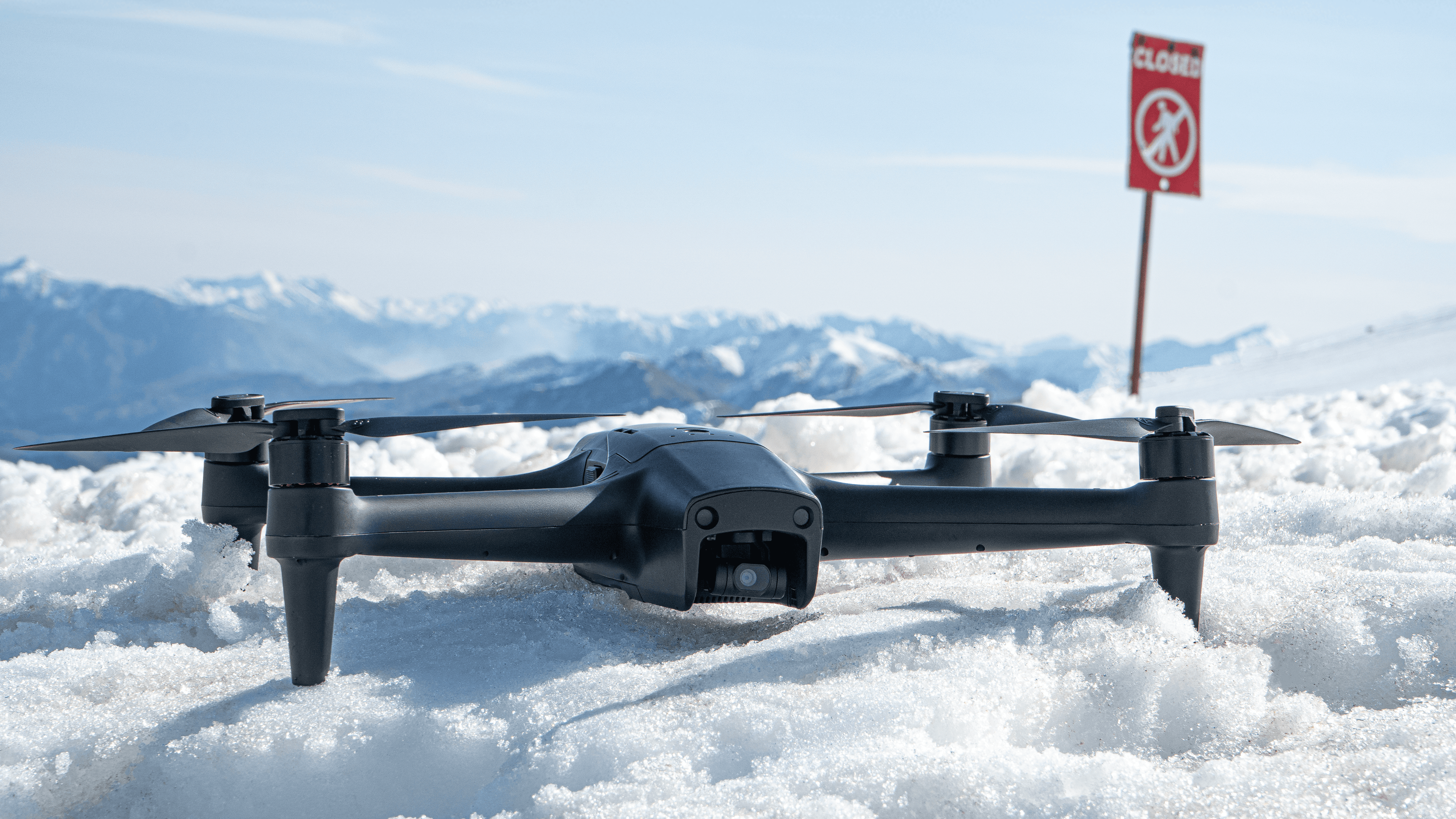
The most advanced, easy-to-fly, multi-purpose consumer drone.
From $1,499.00
Buy Now